Introduction
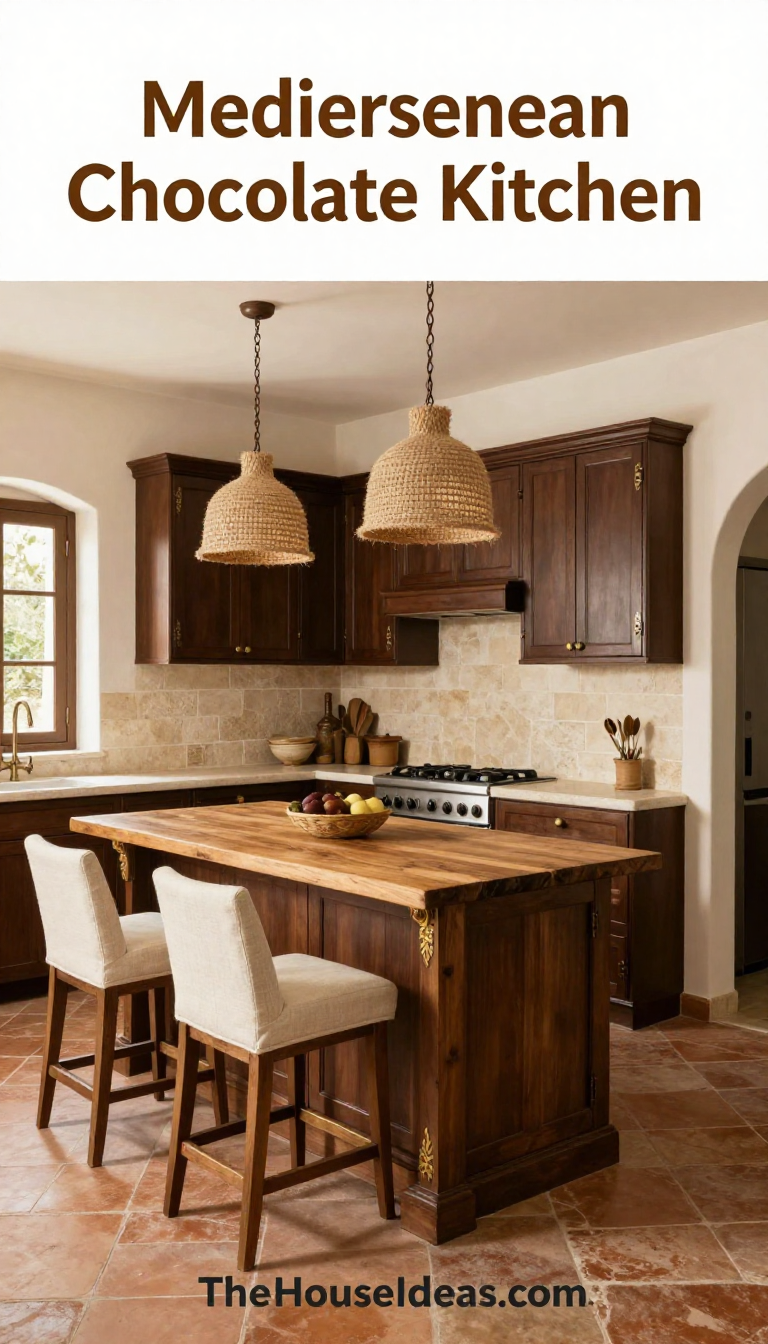
Mediterranean kitchen design with chocolate cabinets and cream stone backsplash ideas offers a perfect blend of warmth, elegance, and timeless appeal. This style captures the essence of coastal Mediterranean homes while incorporating rich, earthy tones that create a welcoming atmosphere. The combination of deep chocolate cabinetry with cream stone backsplashes creates a striking contrast that immediately draws the eye and establishes a sophisticated focal point in any kitchen space.
The Mediterranean aesthetic brings together elements from various coastal regions, including Spain, Italy, and Greece, creating a harmonious blend of rustic charm and refined elegance. When paired with rich chocolate cabinetry, this design approach creates a kitchen that feels both luxurious and inviting. The cream stone backsplash serves as the perfect complement, adding texture and visual interest while maintaining the warm, earthy color palette that defines Mediterranean kitchen design.
This design style works particularly well in both traditional and contemporary homes, offering versatility that few other kitchen styles can match. The deep chocolate tones of the cabinetry provide a grounding element, while the cream stone backsplash adds brightness and dimension to the space. Whether you’re planning a complete kitchen renovation or simply looking to update your existing space, Mediterranean kitchen design with chocolate cabinets and cream stone backsplashes offers endless possibilities for creating a stunning and functional kitchen.
Benefits of Mediterranean Kitchen Design
The Mediterranean kitchen design style offers numerous benefits that make it an excellent choice for homeowners seeking both beauty and functionality. One of the primary advantages is its timeless appeal – unlike trendy designs that quickly become dated, Mediterranean kitchens maintain their elegance and charm for decades. The rich chocolate cabinetry provides excellent durability and hides wear and tear better than lighter finishes, making it ideal for busy family kitchens.
Another significant benefit is the style’s natural ability to create a warm and inviting atmosphere. The deep chocolate tones evoke feelings of comfort and luxury, while the cream stone backsplash adds brightness that prevents the space from feeling too dark or heavy. This combination creates an ideal environment for both cooking and entertaining, as the kitchen naturally becomes the heart of the home where family and friends gather.
Mediterranean kitchen design also offers excellent flexibility in terms of customization and personalization. The chocolate cabinetry provides a rich foundation that can be accented with various hardware finishes, from brushed brass to oil-rubbed bronze, allowing homeowners to tailor the look to their specific preferences. The cream stone backsplash can be chosen in various patterns and textures, from classic subway tiles to more elaborate mosaic designs, providing endless opportunities to create a unique and personalized space.
Color Palette Guide
When implementing Mediterranean kitchen design with chocolate cabinets and cream stone backsplashes, selecting the right color palette is crucial for achieving the desired aesthetic. For the chocolate cabinetry, consider Benjamin Moore’s “Mocha Cream” or Sherwin-Williams’ “Java” for a rich, deep brown that provides the perfect foundation. These colors offer depth and warmth while maintaining enough variation to prevent the space from feeling flat or one-dimensional.
The cream stone backsplash should complement the chocolate cabinetry while providing enough contrast to create visual interest. Consider using natural stone options like travertine or limestone in cream or ivory tones. For paint colors on walls, Benjamin Moore’s “White Dove” or Sherwin-Williams’ “Alabaster” work beautifully to create a soft, warm backdrop that enhances the Mediterranean feel without competing with the main design elements.
Accent colors can be introduced through accessories and textiles to add depth and personality to the space. Consider incorporating terracotta, olive green, and deep blue accents that reflect the Mediterranean landscape. These colors can be introduced through pottery, textiles, and decorative accessories, creating a layered look that feels authentic and collected over time rather than overly designed.
Design Elements and Layout
The furniture and layout choices in a Mediterranean kitchen with chocolate cabinets and cream stone backsplashes should emphasize both functionality and aesthetic appeal. Consider incorporating a large kitchen island with a butcher block top or marble surface, providing ample workspace while adding another layer of texture to the design. Bar stools with woven seats or leather upholstery can add comfort and style while maintaining the Mediterranean theme.
Lighting plays a crucial role in Mediterranean kitchen design, with wrought iron fixtures and pendant lights being particularly effective. Consider installing a statement chandelier over the dining area or a series of pendant lights over the island to create focal points that draw the eye upward. Under-cabinet lighting can highlight the beautiful cream stone backsplash while providing practical task lighting for food preparation areas.
The layout should prioritize both workflow efficiency and social interaction. An open-concept design that flows into adjacent living spaces works particularly well for Mediterranean kitchens, allowing the cook to remain engaged with family and guests while preparing meals. Consider incorporating a built-in banquette or breakfast nook with comfortable seating to create an inviting space for casual dining and conversation.
Step-by-Step Implementation Guide
- Planning and Preparation: Begin by measuring your space accurately and creating a detailed floor plan. Consider the existing plumbing and electrical locations, as these will impact cabinet placement and appliance positioning. Research and select your chocolate cabinetry style, keeping in mind that raised panel doors often work best for Mediterranean design.
- Cabinet Installation: Install the chocolate cabinetry, starting with the upper cabinets and working your way down. Ensure proper leveling and secure mounting to wall studs. Consider adding crown molding at the top for a more finished, custom look that enhances the Mediterranean aesthetic.
- Backsplash Installation: Prepare the wall surface and begin installing the cream stone backsplash, working from the bottom up. Use spacers to ensure even grout lines and consider a herringbone or brick pattern for added visual interest. Seal the stone properly to protect against moisture and stains.
- Countertop and Hardware Selection: Choose countertops that complement both the chocolate cabinetry and cream stone backsplash. Granite or quartz in warm tones often work well. Select hardware in finishes like oil-rubbed bronze or antique brass to enhance the Mediterranean feel.
- Final Touches: Add lighting fixtures, window treatments, and decorative accessories. Incorporate natural elements like potted herbs, woven baskets, and ceramic pottery to complete the Mediterranean look. Consider adding open shelving to display beautiful dishware and decorative items.
Shopping Guide by Budget
Budget Option ($5,000-$10,000): For those working with a limited budget, consider ready-to-assemble chocolate cabinetry from retailers like IKEA or Home Depot. Look for cream ceramic tiles that mimic the look of natural stone for the backsplash. Laminate countertops that resemble granite can provide the desired aesthetic at a fraction of the cost. Shop for lighting fixtures at discount home stores and consider DIY installation to save on labor costs.
Mid-Range Option ($15,000-$25,000): Semi-custom chocolate cabinetry from manufacturers like KraftMaid or Thomasville offers better quality and more design options. Natural stone backsplash tiles in cream tones become more accessible at this price point. Solid surface or entry-level granite countertops provide durability and beauty. Consider professional installation for cabinetry and backsplash to ensure quality results.
Luxury Option ($30,000+): Custom chocolate cabinetry crafted by local cabinet makers allows for complete personalization. High-end natural stone like Calacatta marble can be used for both countertops and backsplash for a seamless look. Professional-grade appliances and designer lighting fixtures elevate the space to luxury status. Custom ironwork and hand-painted tiles can add unique, artisanal touches that make the kitchen truly one-of-a-kind.
Common Mistakes to Avoid
One of the most common mistakes when implementing Mediterranean kitchen design with chocolate cabinets and cream stone backsplashes is choosing cabinetry that’s too dark or too light. The chocolate tone should be rich and warm but not so dark that it makes the space feel cave-like. Similarly, the cream stone backsplash should provide enough contrast without appearing stark or clinical against the dark cabinetry.
Another frequent error is neglecting proper lighting planning. Mediterranean kitchens rely heavily on layered lighting to create the right ambiance and ensure functionality. Failing to incorporate adequate task lighting, ambient lighting, and accent lighting can result in a space that feels flat and uninviting. Consider the natural light sources in your kitchen and plan artificial lighting accordingly.
Many homeowners also make the mistake of over-accessorizing or choosing the wrong accessories for their Mediterranean kitchen. While decorative elements are important for completing the look, too many accessories can make the space feel cluttered and busy. Choose a few statement pieces rather than numerous small items, and ensure that accessories complement rather than compete with the main design elements of chocolate cabinetry and cream stone backsplash.
Frequently Asked Questions
What makes Mediterranean kitchen design different from other styles?
Mediterranean kitchen design is characterized by its warm color palette, natural materials, and emphasis on creating a welcoming, family-oriented space. Unlike more formal kitchen styles, Mediterranean design incorporates rustic elements alongside refined details, creating a balanced look that feels both elegant and comfortable. The use of rich chocolate cabinetry and cream stone backsplashes is particularly effective in achieving this distinctive aesthetic.
How do I maintain chocolate cabinets and cream stone backsplashes?
Chocolate cabinets require regular dusting and occasional cleaning with a wood-safe cleaner to maintain their rich appearance. Avoid harsh chemicals that can damage the finish. Cream stone backsplashes should be sealed upon installation and resealed annually to prevent staining. Clean with pH-neutral stone cleaners and wipe up spills promptly to maintain the stone’s natural beauty.
Can Mediterranean kitchen design work in small spaces?
Absolutely! Mediterranean kitchen design can be adapted for smaller spaces by choosing lighter cream tones for the backsplash to maximize brightness, and selecting chocolate cabinetry with simpler door styles to avoid overwhelming the space. Consider using glass-front upper cabinets to create a sense of openness, and incorporate reflective surfaces to enhance the feeling of spaciousness.
What flooring works best with this design style?
Natural stone flooring like travertine or limestone in warm, earthy tones complements Mediterranean kitchen design beautifully. Terracotta tiles also work well, adding authentic Mediterranean character. For a more budget-friendly option, consider porcelain tiles that mimic the look of natural stone while offering greater durability and easier maintenance.
How long does a complete Mediterranean kitchen renovation typically take?
A complete Mediterranean kitchen renovation typically takes 6-12 weeks, depending on the scope of work and whether structural changes are involved. Cabinet installation usually takes 1-2 weeks, while backsplash installation can be completed in a few days. Countertop templating and installation add additional time, and custom elements like ironwork or hand-painted tiles may extend the timeline.
Conclusion
Mediterranean kitchen design with rich chocolate cabinetry and cream stone backsplashes offers a timeless and elegant solution for homeowners seeking to create a warm, inviting kitchen space. This design style combines the best elements of coastal Mediterranean aesthetics with practical functionality, resulting in a kitchen that’s both beautiful and highly usable. The rich chocolate tones provide a sophisticated foundation, while the cream stone backsplash adds brightness and texture that brings the entire design together.
As you embark on your Mediterranean kitchen design journey, remember that the key to success lies in balancing the various elements to create a cohesive look. Whether you’re working with a modest budget or planning a luxury renovation, the principles of Mediterranean design can be adapted to suit your needs and preferences. Consider incorporating elements from other areas of your home, such as living room design ideas, to create a seamless flow throughout your living spaces.
We encourage you to explore the possibilities that Mediterranean kitchen design offers and to make the style your own. Visit our kitchen design gallery for more inspiration, and don’t hesitate to consult with design professionals who can help bring your vision to life. With careful planning and attention to detail, you can create a Mediterranean kitchen with chocolate cabinets and cream stone backsplashes that will be the envy of your neighborhood and a joy to use for years to come. For additional design inspiration, check out resources from Architectural Digest and Elle Decor to see how top designers are incorporating Mediterranean elements into modern homes.